
00:01
In the past I've suffered from anxiety and depression so I went to see therapists to get some help. The vast majority of my treatment was really really positive but one experience left me feeling worse than I did at the start and it made me wonder can anyone call themselves a therapist and how much training do you actually need to become one?
00:22
There are hundreds of courses available to buy online. I bought one for just over a tenner, and after cheating my way through it, I managed to get a certificate saying I had become a certified therapist. I was really shocked by what I found, because people go and see therapists at some of those vulnerable points in their life.
00:44
And that's sadly what happened to Matty. His brother Joe was just 12 years old when he died of a cardiac arrest in 2012.
00:51
The depression and the anxiety were building and building and building. I wasn't showering properly. I wasn't brushing my teeth. I was going down to work. As soon as there wasn't anybody around, I was being told to do jobs and I wouldn't do them. I'd sit in a cupboard and watch my phone. But I remember having a breakdown one day and saying to mum and dad, look, my head's not right. I need, something needs to change. So they said, well, why don't we go and get you some therapy, some counselling. Matty found a private therapist and signed up to six sessions.
01:23
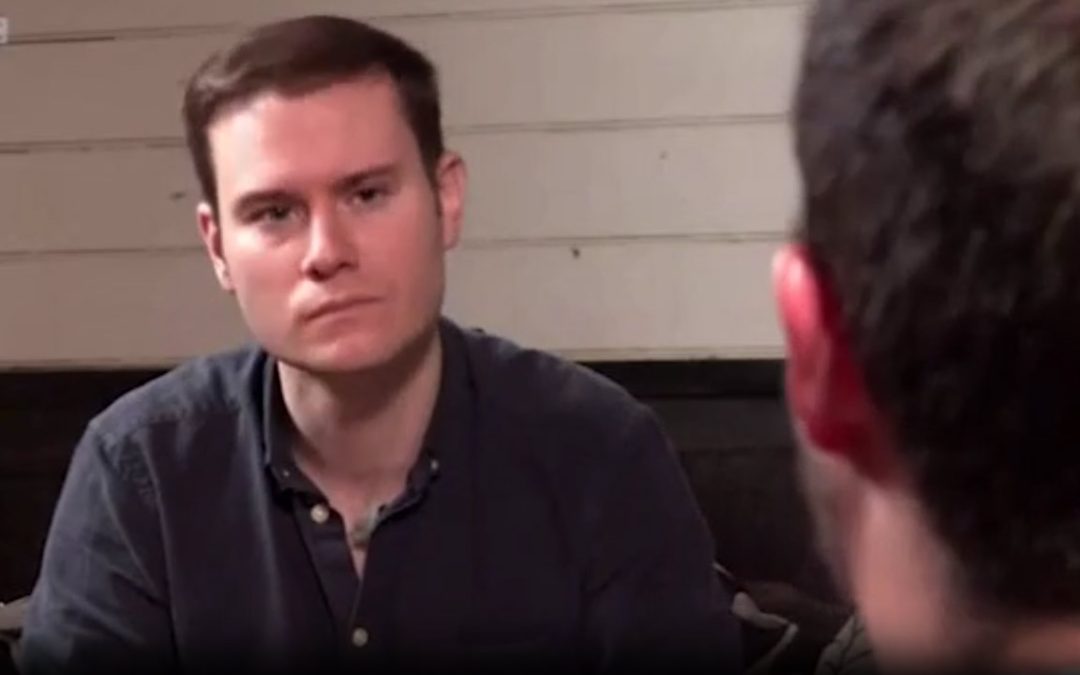
At first he found the therapy helpful, but what happened in his final session left him feeling worse than when he started. So I go into the room and she said, how are you? And I said, yeah, I'm doing all right, but I've been missing my brother a lot this week. And she said, what do you mean your brother? And I was like, well, you know that I told you that my brother died of a cardiac arrest in 2012.
01:47
And she said, no, I didn't remember. I don't remember that.
01:51
Yeah, it was just like she didn't care. But it almost made me shut down and break down into tears. It made me feel hurt and not that I could trust anybody.
02:05
Amanda Williamson helped set up a campaign group called Unsafe Spaces after she had a negative experience in therapy. What are the risks if you get someone who's untrained or unethical? If somebody has a really badly managed therapy session and they walk away and think that's a load of rubbish, then the issues that they brought to therapy won't get addressed.
02:26
At a more serious end, a lot of people go because they've had trauma, abuse in their past, PTSD and a badly managed session. Working with that sort of material can lead to a client actually being re-traumatised. So who's actually holding private therapists to account? There are a number of accrediting bodies and they can regulate them and check their qualifications before letting them join.
02:51
For example, there's the BACP, UKCP, BABCP and the ACAT, just to name a few.
03:01
Some of these answer to a wider body called the Professional Standards Authority, but there are other associations of therapists which choose to regulate themselves.
03:10
Amanda wants to see statutory regulation in place for the therapy sector, rather than the current system of voluntary registration. It is a wild west because there is no law. There's the accredited registered system which gives an illusion of safety but when you actually look at that, anybody can still call themselves a therapist and most members of the public are not aware that there is a voluntary system that exists. Lots of people are calling for change. We asked the government whether it was happy with the current system of regulation. The Department of Health told us
03:44
The government concluded in 2012 that introducing the statutory regulation of psychotherapists and counsellors would be disproportionate to the risks to patients and the public. And what do the accrediting bodies who are part of the current system think? We talked to one of the largest, with nearly 50,000 members. The British Association of Counselling and Psychotherapy told us, our members have to meet certain training standards and abide by our ethical framework.
04:12
we have a robust conduct process. On the rare occasion that a member falls short of these expectations, we have introduced greater support for clients if they make a complaint against a therapist.
04:23
Maddy tells me he's in a much better place now. He tried a different type of therapy and found it to be helpful. He set up his own gardening business and he's fundraising for a bereavement charity. My own bad experience put me off getting more help, but I did eventually go back to therapy and it was life changing. The right therapist and the right treatment can really transform your thinking and give you hope that things are going to get better, which they did for me. But how do you make sure you do get the right support for your mental health?
04:56
Well, you can speak to your GP. They may be able to refer you for treatment on the NHS. Or if you need to see a therapist privately, the mental health charity MIND suggests.
05:08
Check that the therapist is registered with an accrediting body.
05:12
Don't be afraid to ask them about the professional qualifications, training and experience. And finally, don't sign up for treatment unless you're totally happy.